


Hey, i'm cilla.
Probably on the hunt for the best donut in town while listening to Noah Kahan and yapping about Taylor Swift.
1:1 body image coaching
join the lunchbox notes (my bi-weekly newsletter)
body image fanny pack
I never truly realized how much ARFID impacted my life until I found out that I was severely allergic to gluten and basically lost 80% of my safe foods at the snap of a finger. That being said, I am also an Eating Disorder therapist that also happens to treat ARFID. I specifically love working with children – the folsk who have technically graduated from their feeding programs and are still “stuck” in their food discovery journey (and tackling anxiety when trying new foods). So, I thought I would share the wealth (from my brain, that is) of books that I have came across both individually and professionally.
P.S. All of these books can be found and shopped using my Amazon Storefront, I do earn a teeny-tiny push back, so anytime you use my affiliate links, I’m just so appreciative!
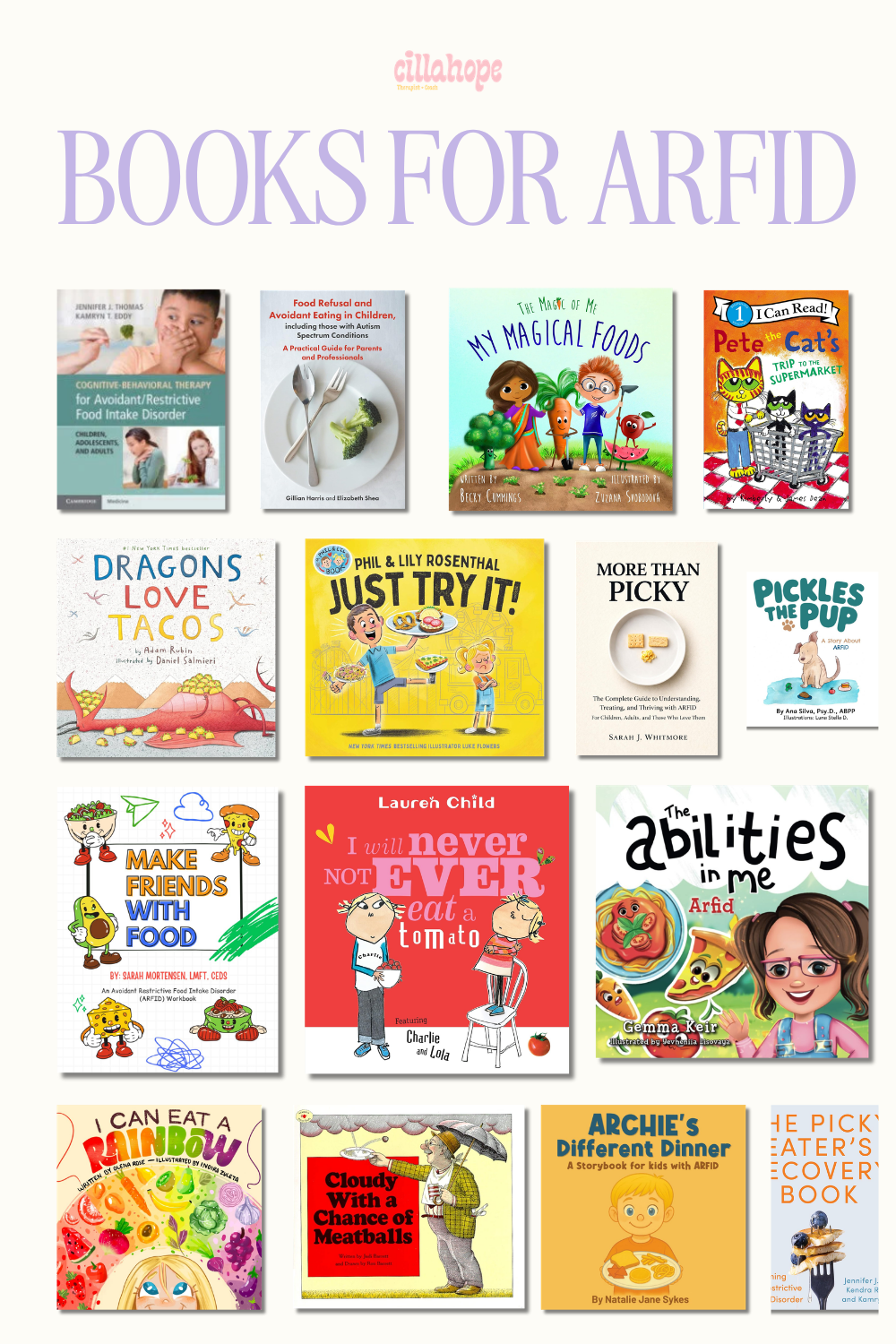
18 Favorite ARFID Books for Therapists, Individuals, and Parents
I thought I would go ahead and break these ARFID book recommendations into categories so that they can be easily navigable for which topics that you’re looking for. Go ahead and use the links below to jump ahead to what you’re searching for!
TABLE OF CONTENTS

Therapy Books for ARFID
Before I dive in, I want to share that all of these books have been read cover to cover by your truly. I also want to note that as ARFID is becoming more recognized, we (therapists) are getting more and more resources to utilize in sessions. Therefore, I will continue to update this blog as I find new (and good!) resources.
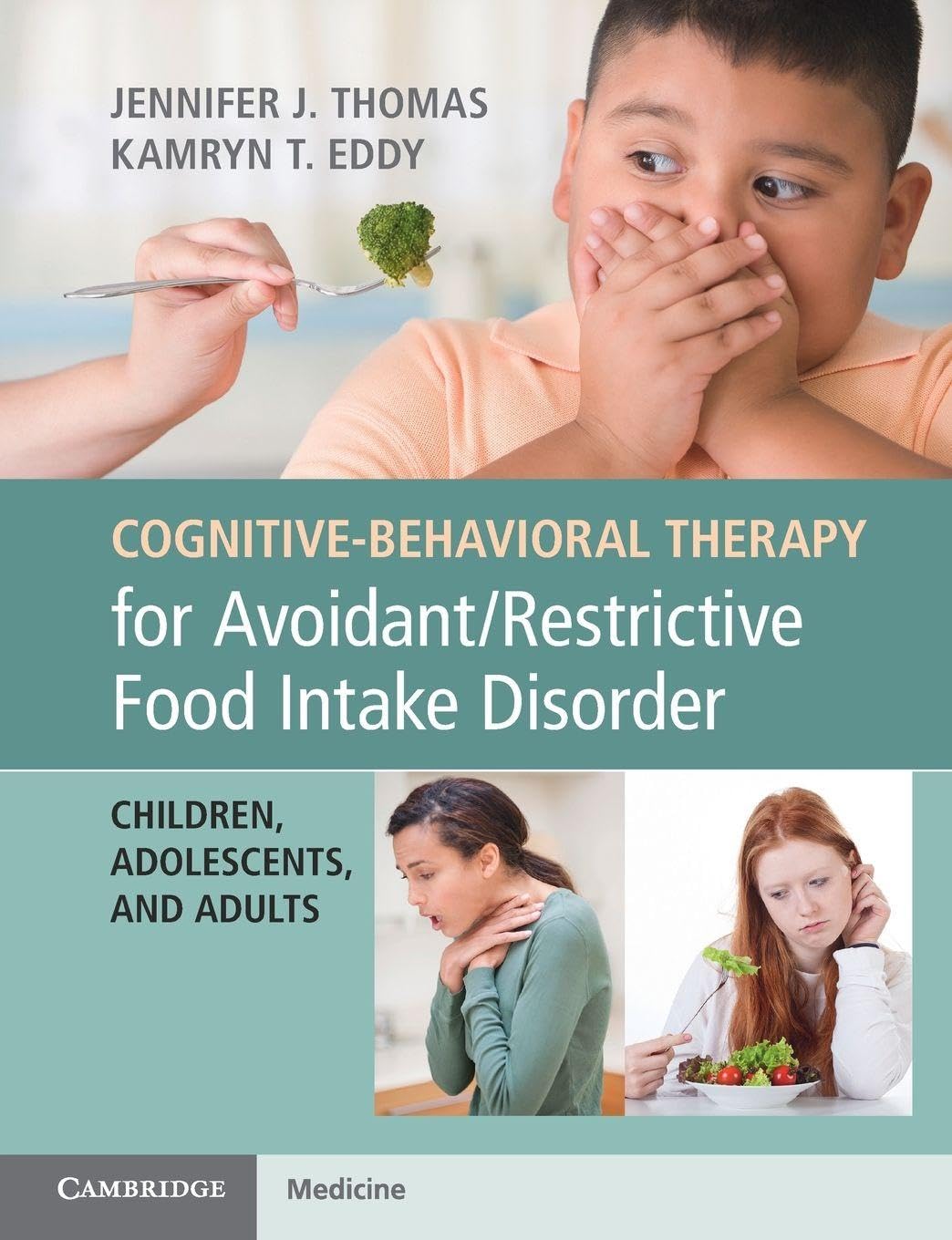
CBT for Avoidant Restrictive Food Intake Disorder
This was the first book that I ever picked up almost 6 year ago when I started exploring ARFID work (and soon realized this was my personal experience, too!). What I love about this book is the overall clinical approach to working with folks who experience ARFID. This book does embody a very this-that structure, but can easily be adjusted based on the support needed for the client that you’re working with.
Parent Books for ARFID
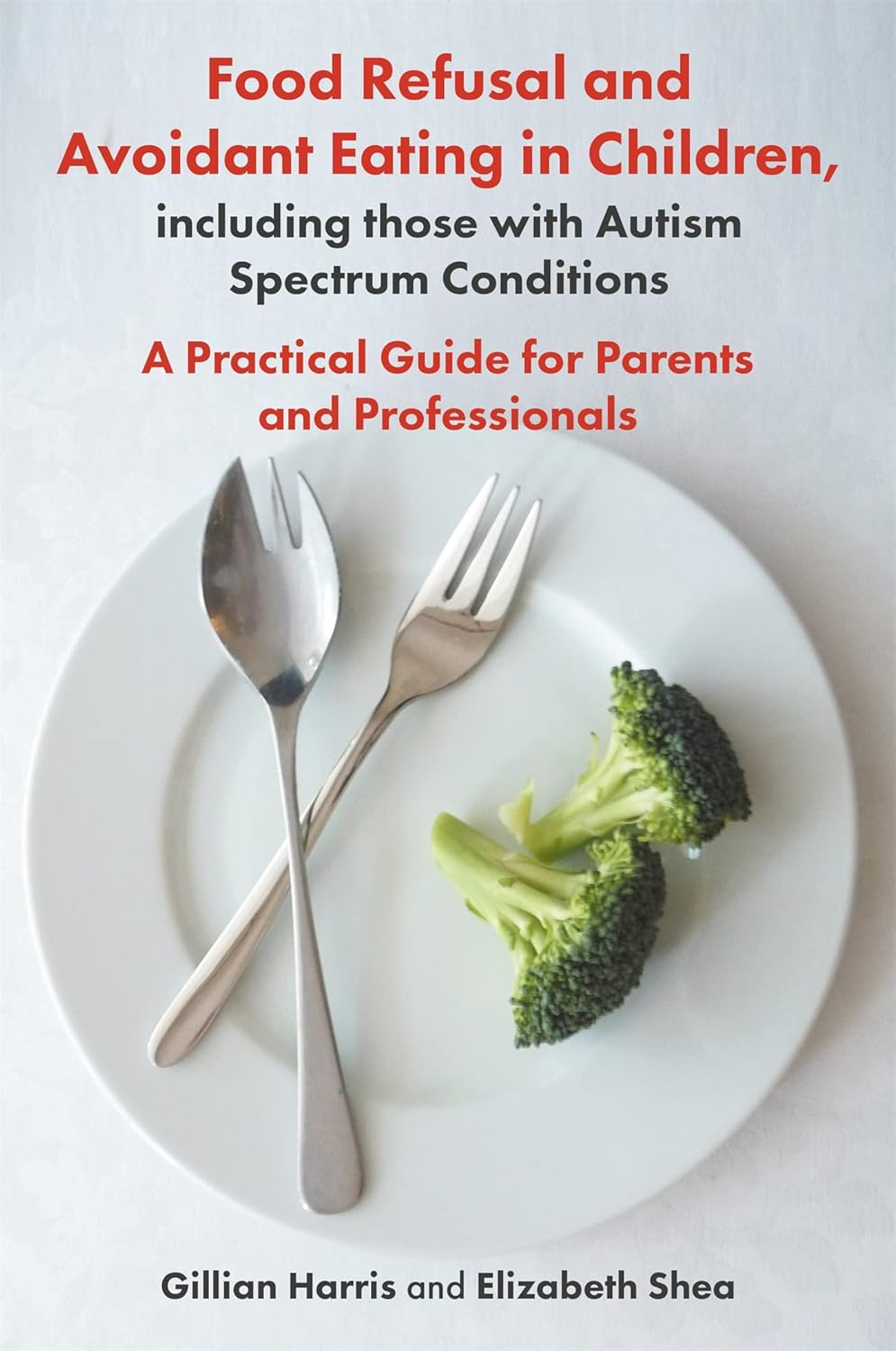
Food Refusal & Avoidant Eating in Children
This one can be used for both parents and professionals, however, i found that this was written more for professionals who don’t necessarily treat ARFID and want to become more knowledgeable in general.

More Than Picky
I love this book for simply adding nuance and more understanding to the table when it comes to what it means to be a picky eater.
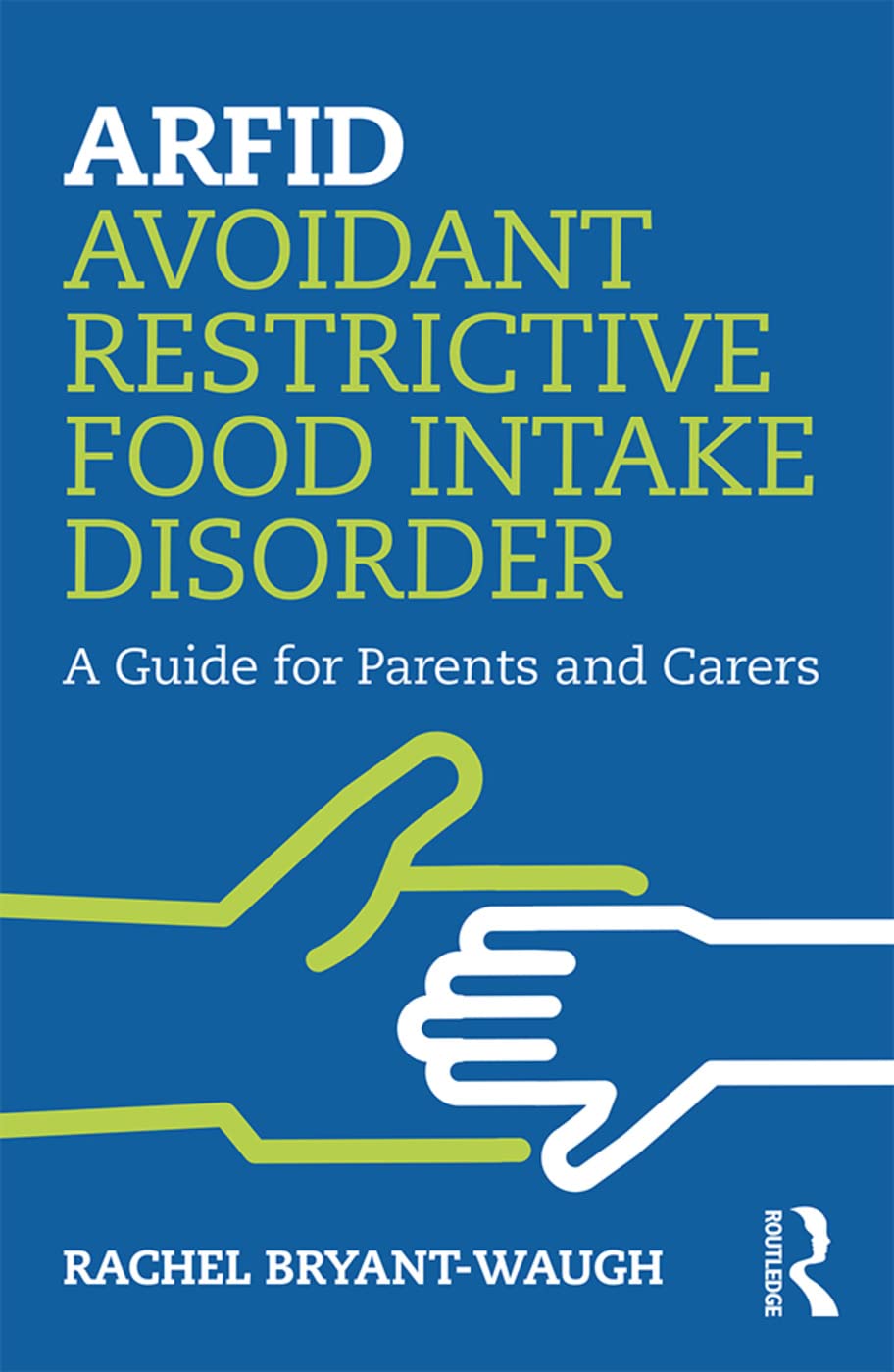
ARFID: A Guide for Parents and Carers
Another great guide on helping folks (parents and clinical providers) to understanding ARFID.
Children’s Books for ARFID

Dragons Love Tacos
This whole series is such a fun way to get the conversation moving in a silly, experiential way! I wrote an entire blog post all about how I use this book series in session with clients.
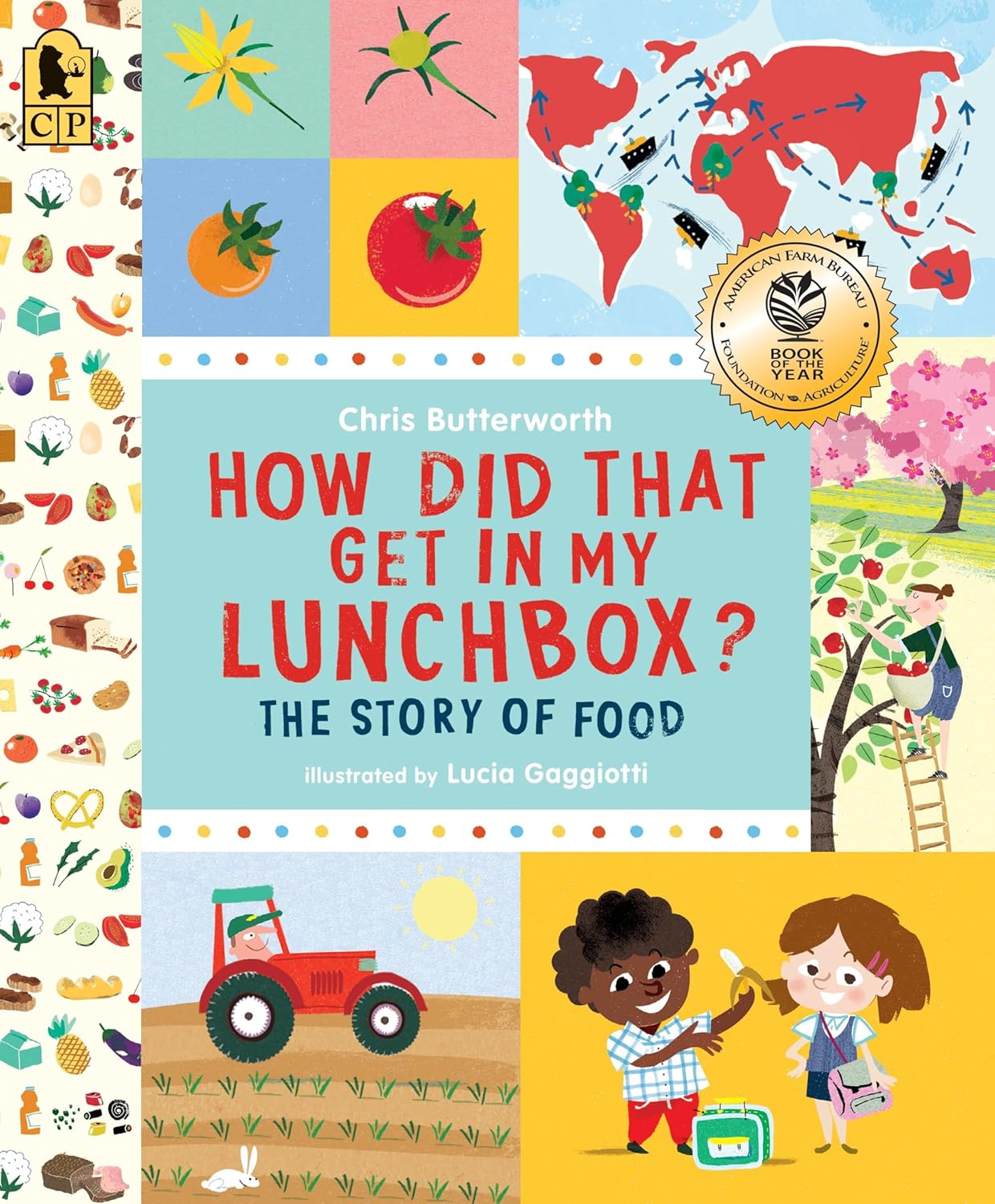
How Did That Get In My Lunchbox?
This book provides a beautiful opportunity of flexibility and openness to explore new foods. There can be a lot of rigidity in the relationship with one’s lunchbox and needing to know exactly what is in there, and so I love this book for the ability to breakdown why it’s important to be open to new experiences, even if that means just simply allowing new foods to be present with your safe foods.
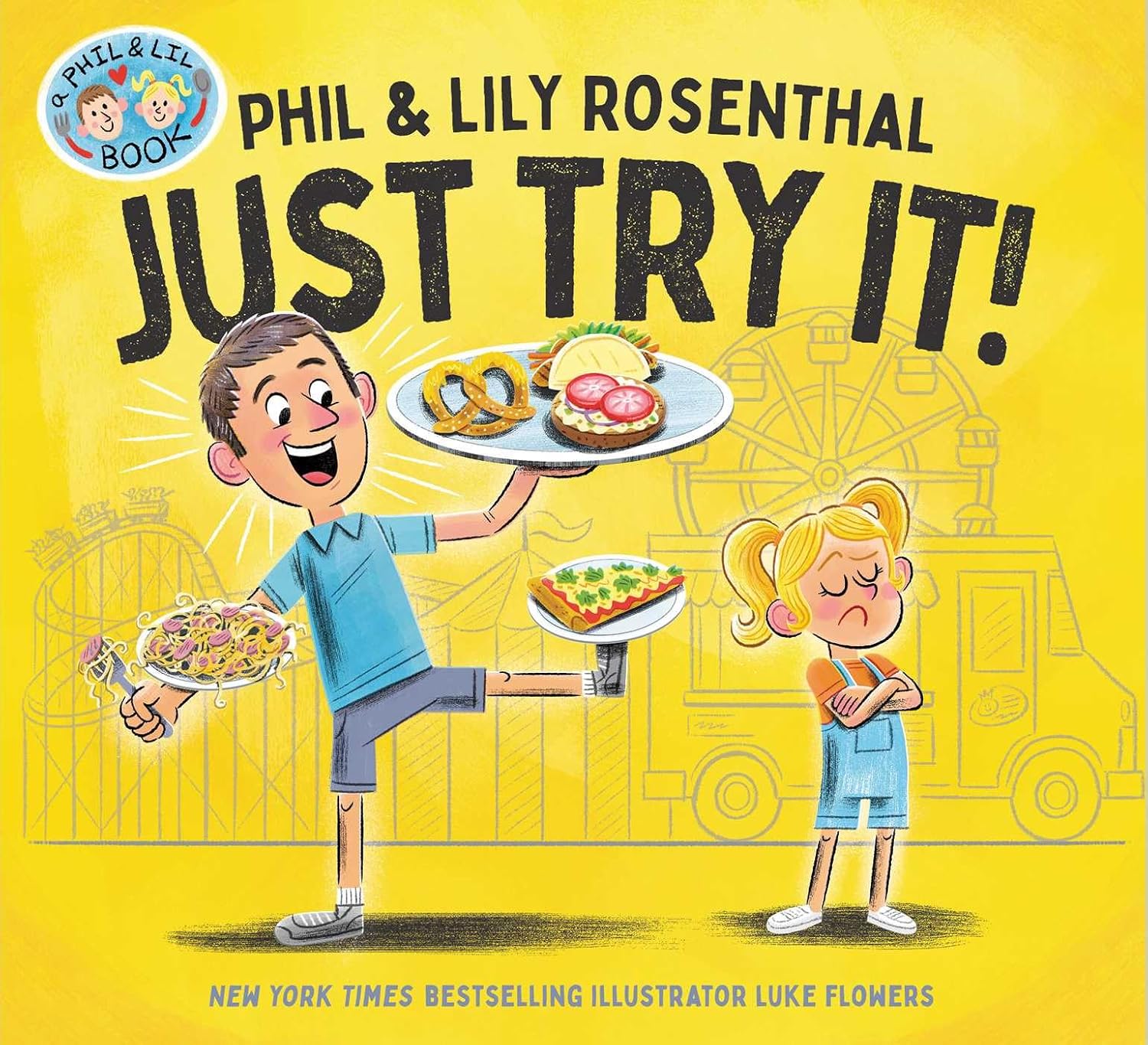
Just Try It!
I absolutely LOVE this book for so many reasons. It’s centered around a common phrase that anyone who is picky can relate to. This is a great book to increase validation and also spark ongoing conversations.
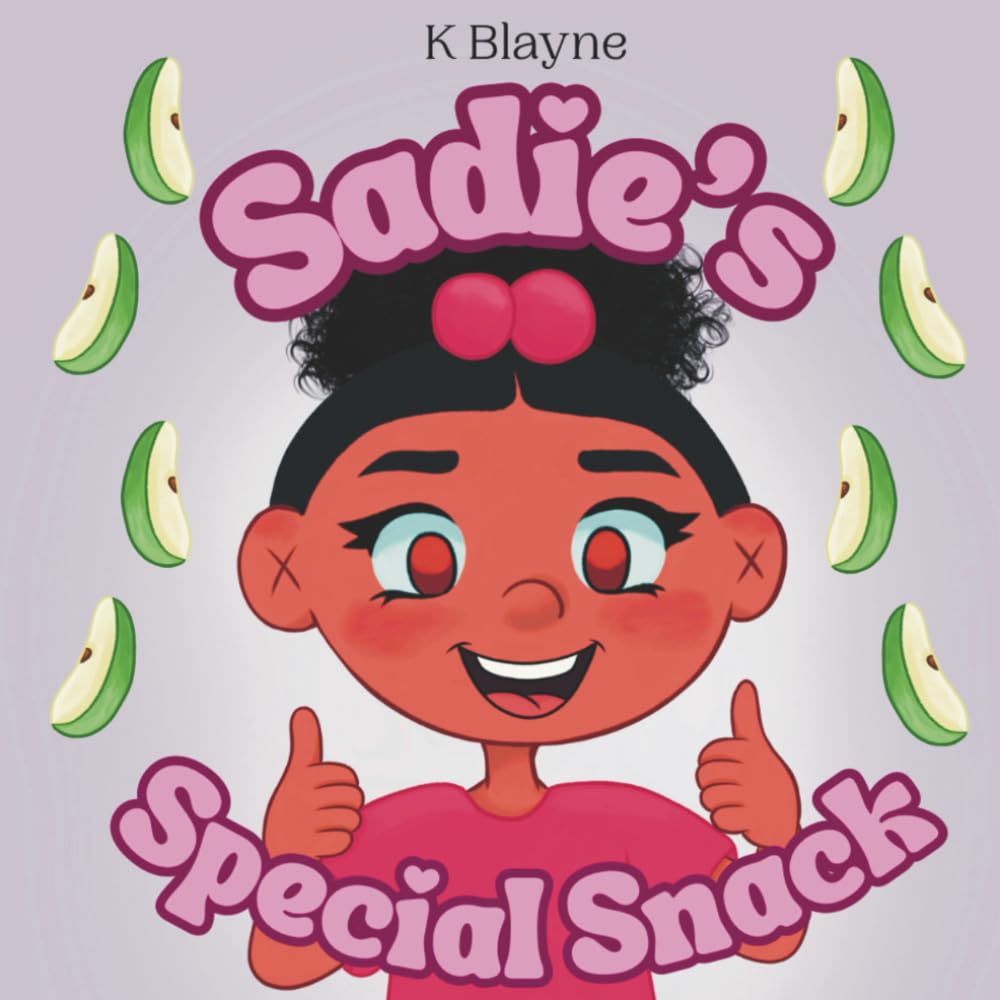
Sadies Special Snack
This is a great book to create conversation around snack time, and social pressures that folks feel in social situations ie. school lunch, birthday parties, sleepovers, etc.
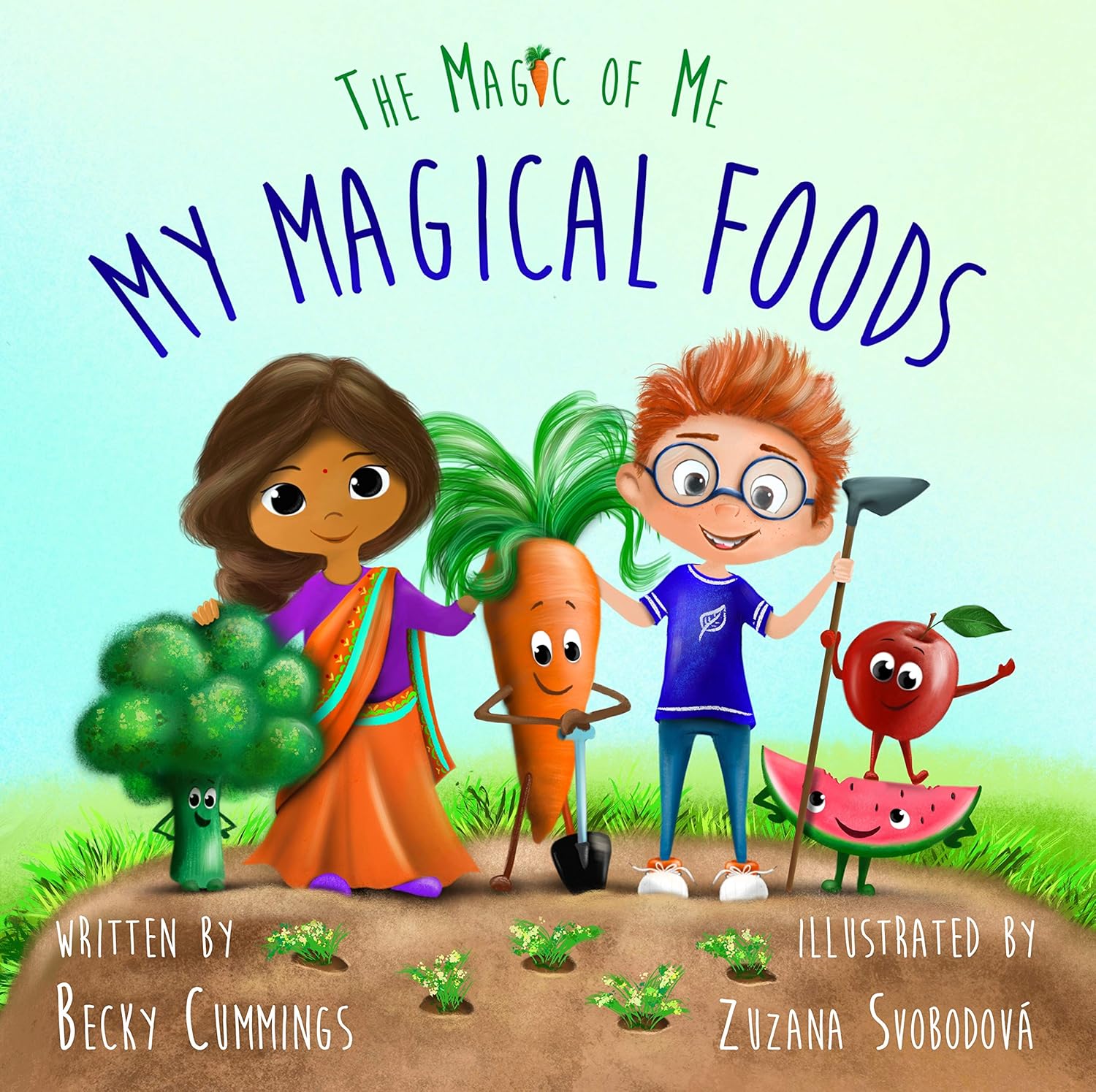
My Magical Foods
I love the illustrations in this book and how it blends a beautiful connection of food and culture. This is a great book to pull out when trying to describe the purpose of eating far beyond the nutritional value.
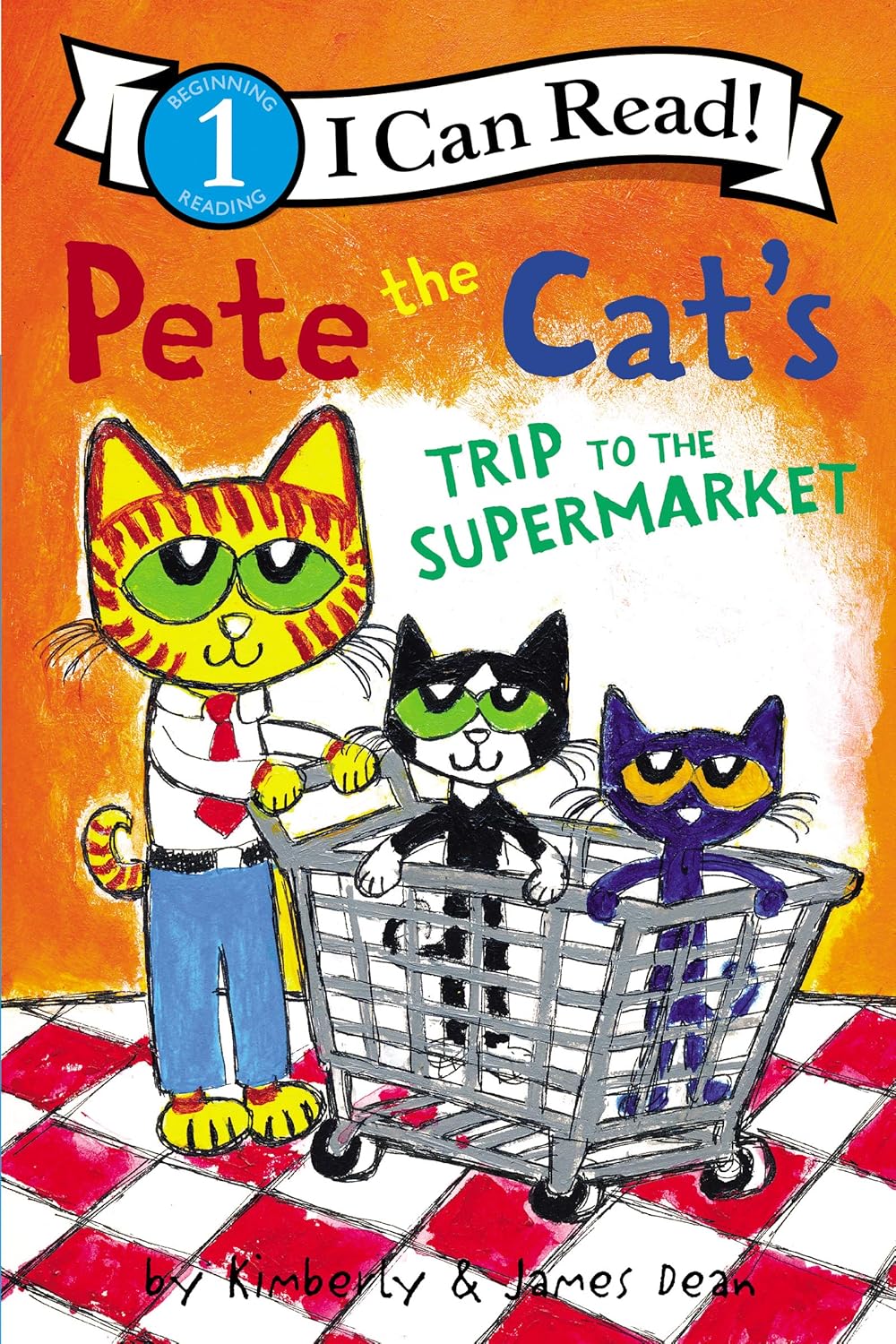
Pete the Cat’s Trip to the Supermarket
One of my favorite ways to get kids involved in exploring food is by simply having a say during grocery shopping trips. This can also be a fun way to introduce what all there is to find at the supermarket and demonstrate your own excitement for new and unique foods you stumble across.
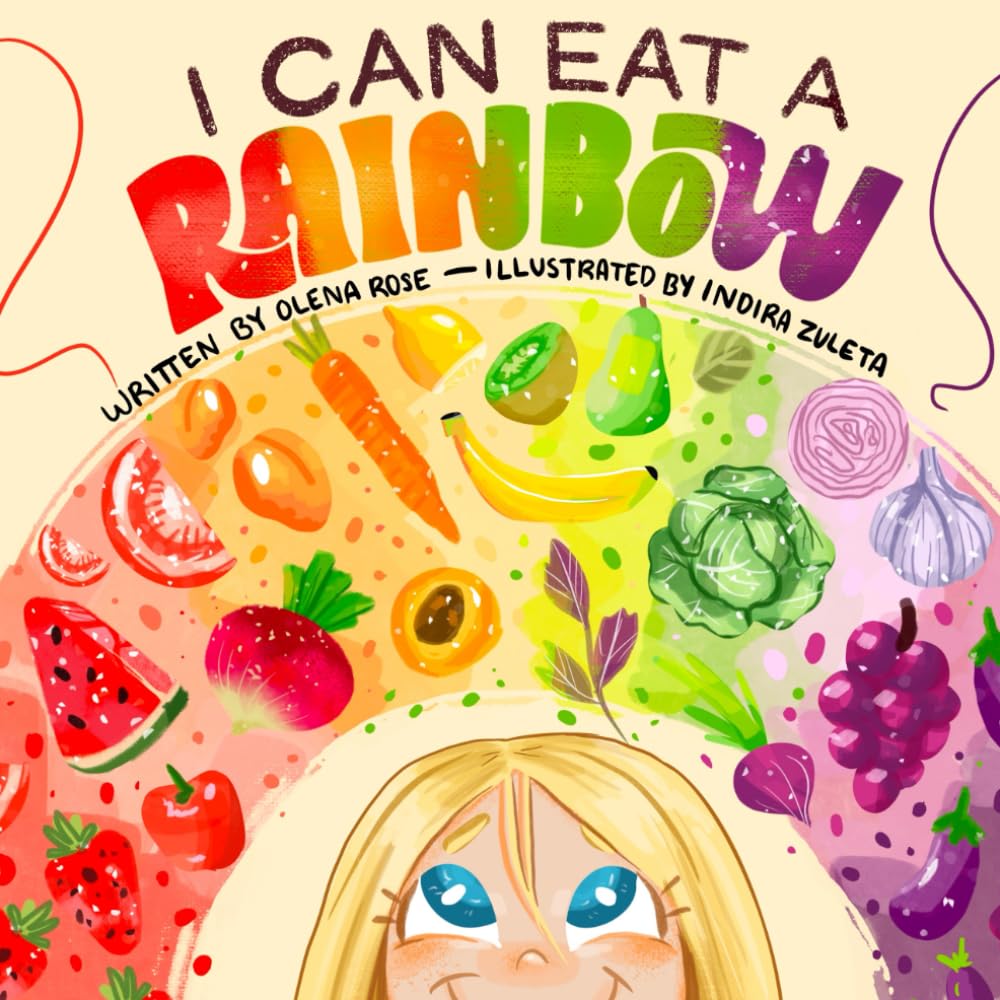
I Can Eat a Rainbow
A great book to explore the different produce options organized by color! P.S. oftentimes in my own therapy sessions with client’s the safest characteristic about new foods is the color!
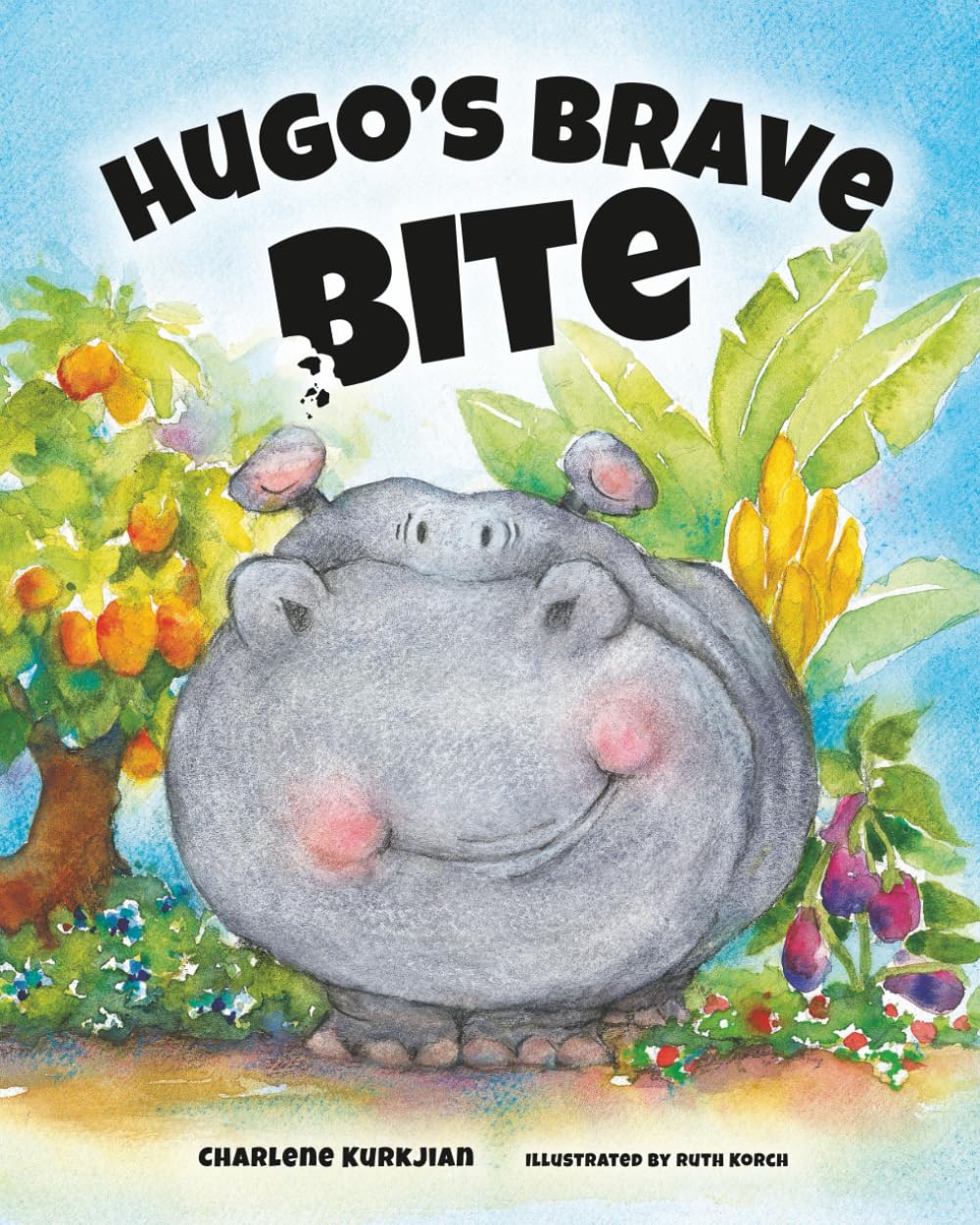
Hugo’s Brave Bite
A cute story about what it means to try new things and take brave bites.
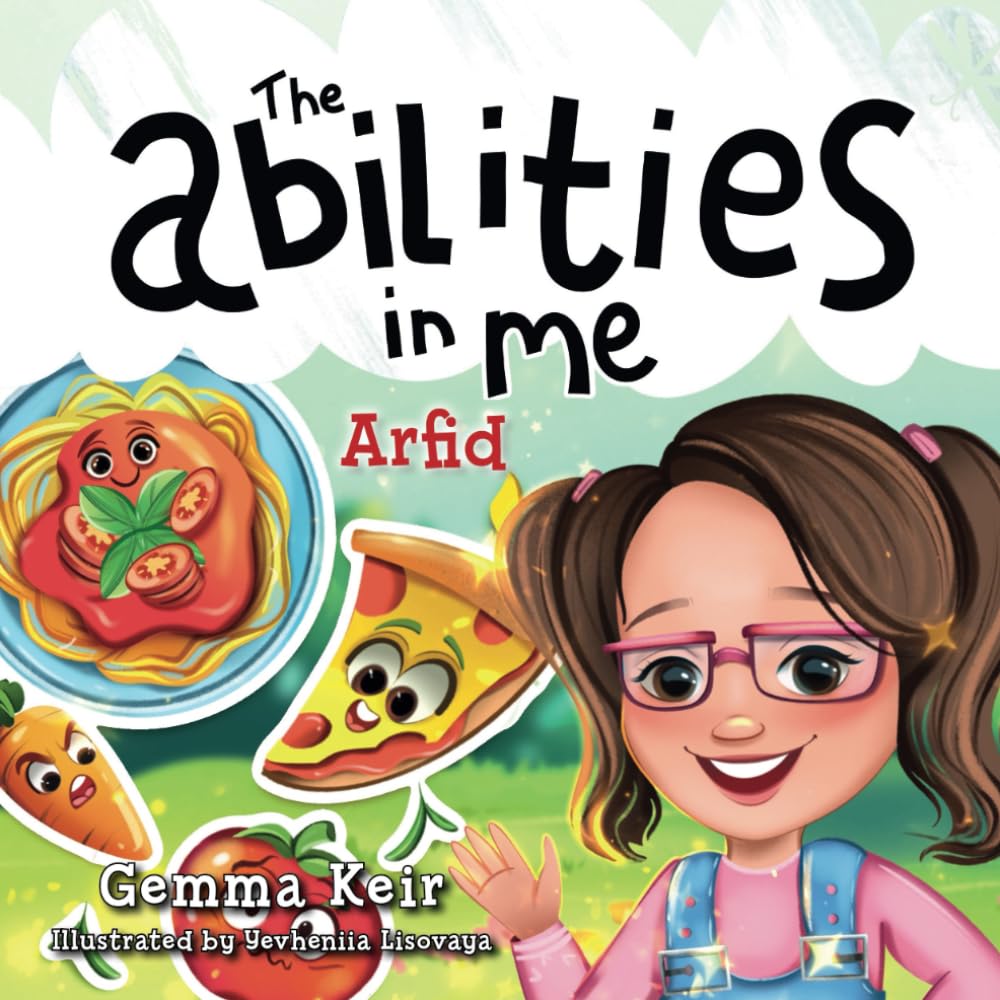
The Abilities in Me: ARFID
This book is apart of an entire series about the abilities in me, so I highly recommend checking out the others. However, this book emphasis the really cool things about how intuitive picky eaters are and how folks with ARFID can utilize their strengths in other ways beyond discovering new foods.
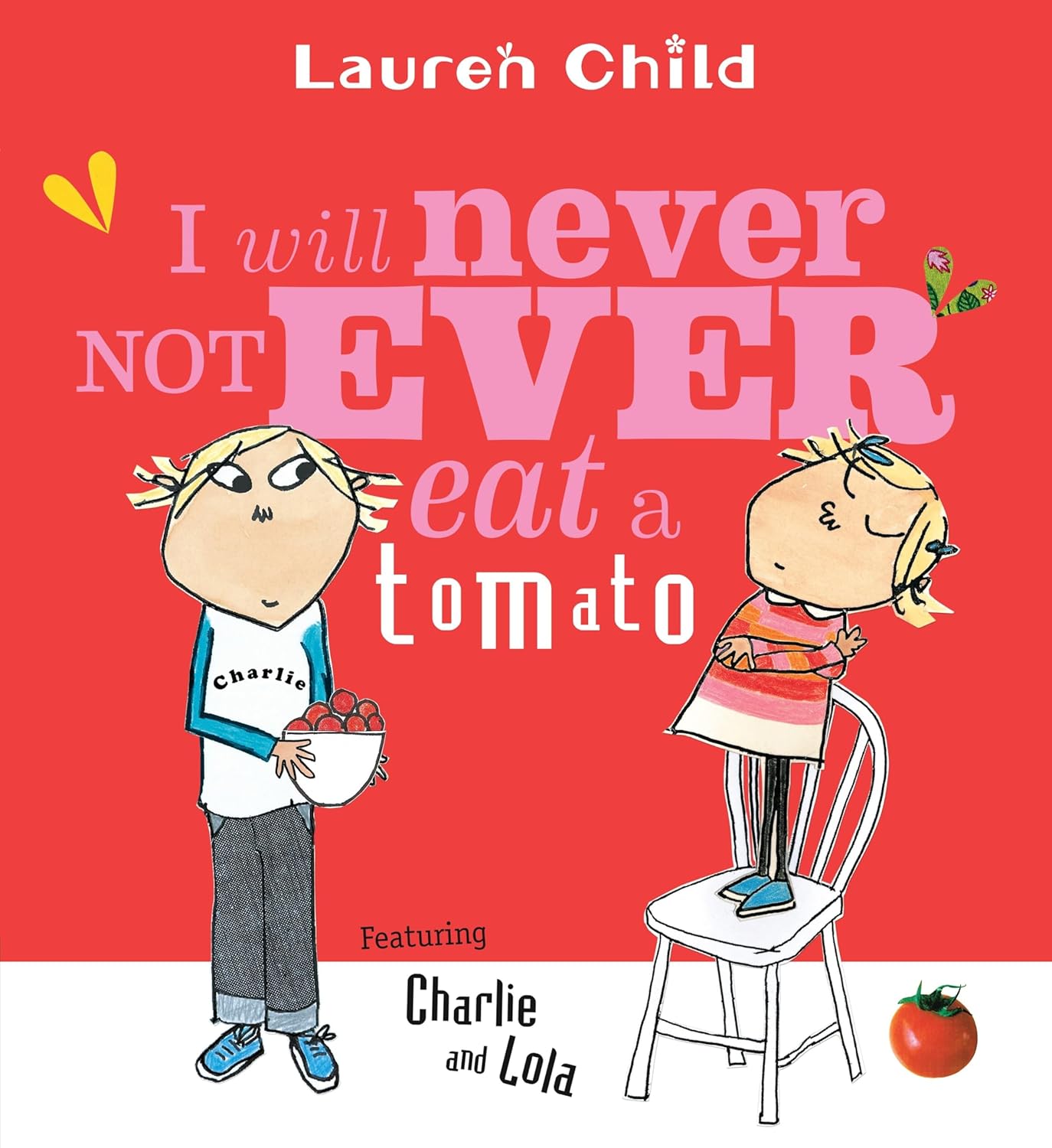
I Will Never Not Ever Eat a Tomato
A very relatable story for many. This book offers a lot of exploration around how our brain tries to protect us by saying we won’t try something new and how that thought process is often premature and limiting ourselves from trying new things and actually enjoying them.
ARFID Workbooks & Cookbooks
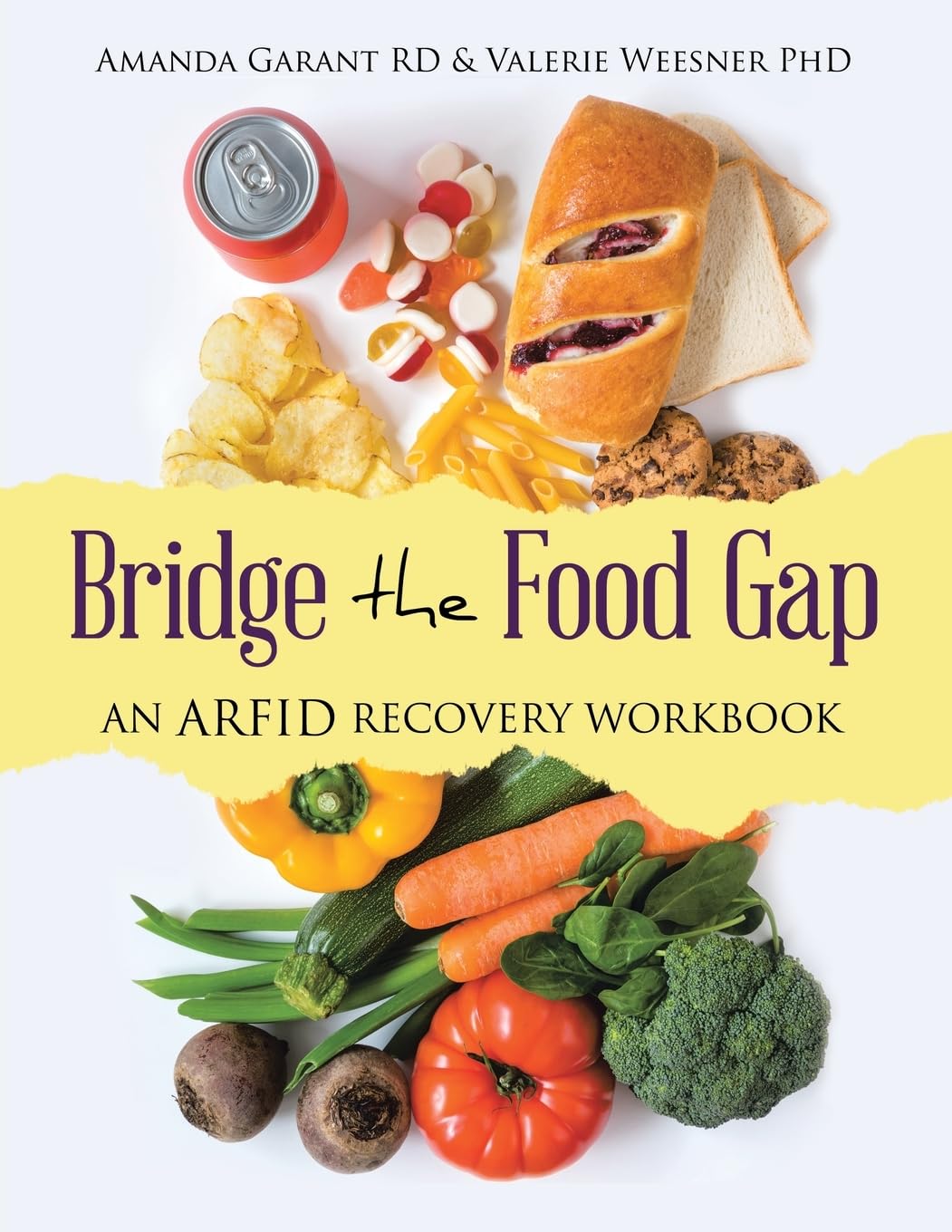
Bridge The Food Gap
This is a great recovery workbook that can be utilized on your own without the support of a provider and I love it for that reason. While I don’t utilize a lot of these practices in session to a T, there are some great clinical notes that be helpful for a therapist just starting to explore ARFID treatment!

The ARFID Challenge
A fun sequel to the healing resource shared below. This book includes structured challenges to explore and try.
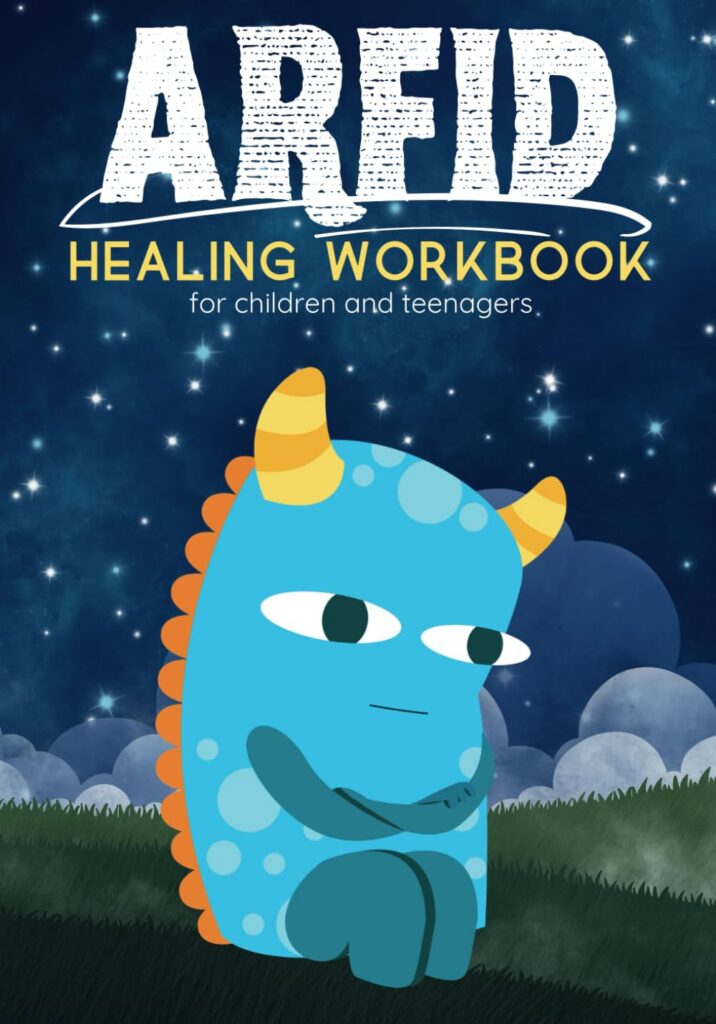
ARFID Healing Workbook for Children & Teenagers
This is a fun workbook that includes engaging activities for kids and teens to explore new foods while challenging their anxiety.
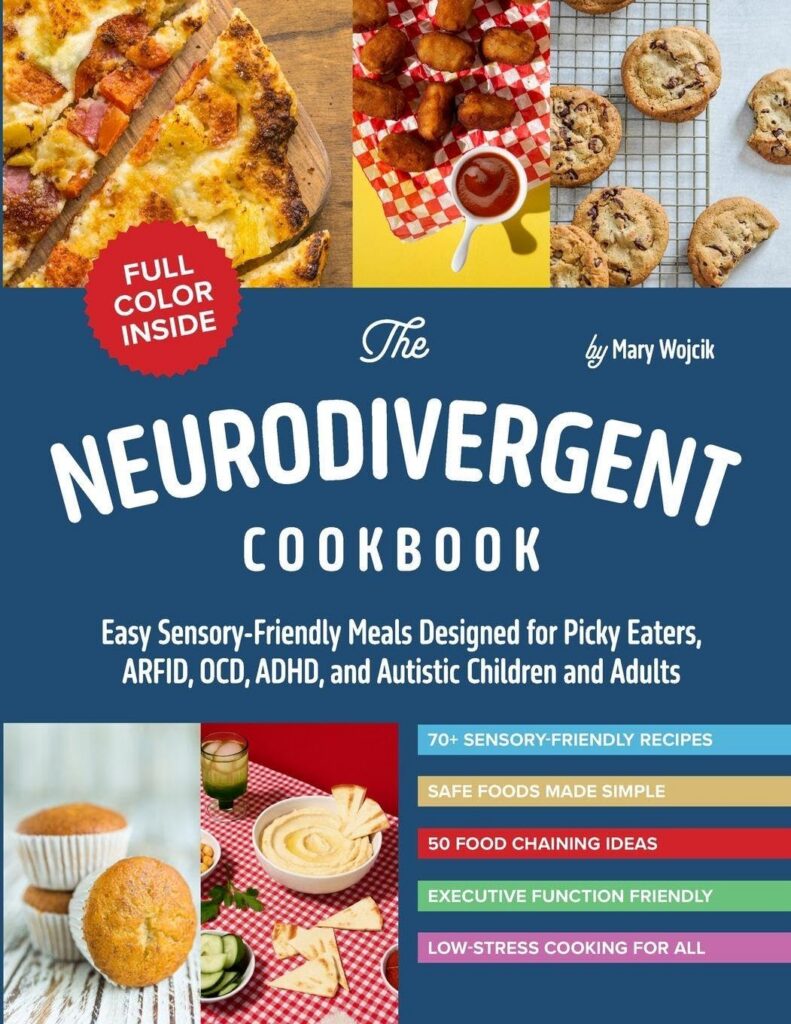
The Neurodivergent Cookbook
I was pleasantly surprised by how in depth this cookbook was when it came to the sensory properties of food. I recommend this book for any folks on the neurodivergent spectrum.
This is also a fun book for dietitians to utilize when it comes to food chaining/supporting individuals in the kitchen related to food prep/grocery shopping, cooking, and clean up!
Thank you for checking out these resources related to ARFID. If you have any additional books that you have had a great experience with, I’d love to hear about it! I’m always looking for new resources and books that help both my professional and individual work. Feel free to stay connected with me on Instagram.
18 Favorite ARFID Books As An ARFID Therapist With Lived Experience
how i can support you

© CILLA HOPE WELLNESS LLC, 2024.
LEGAL
